Monstera Care Guide
Overview
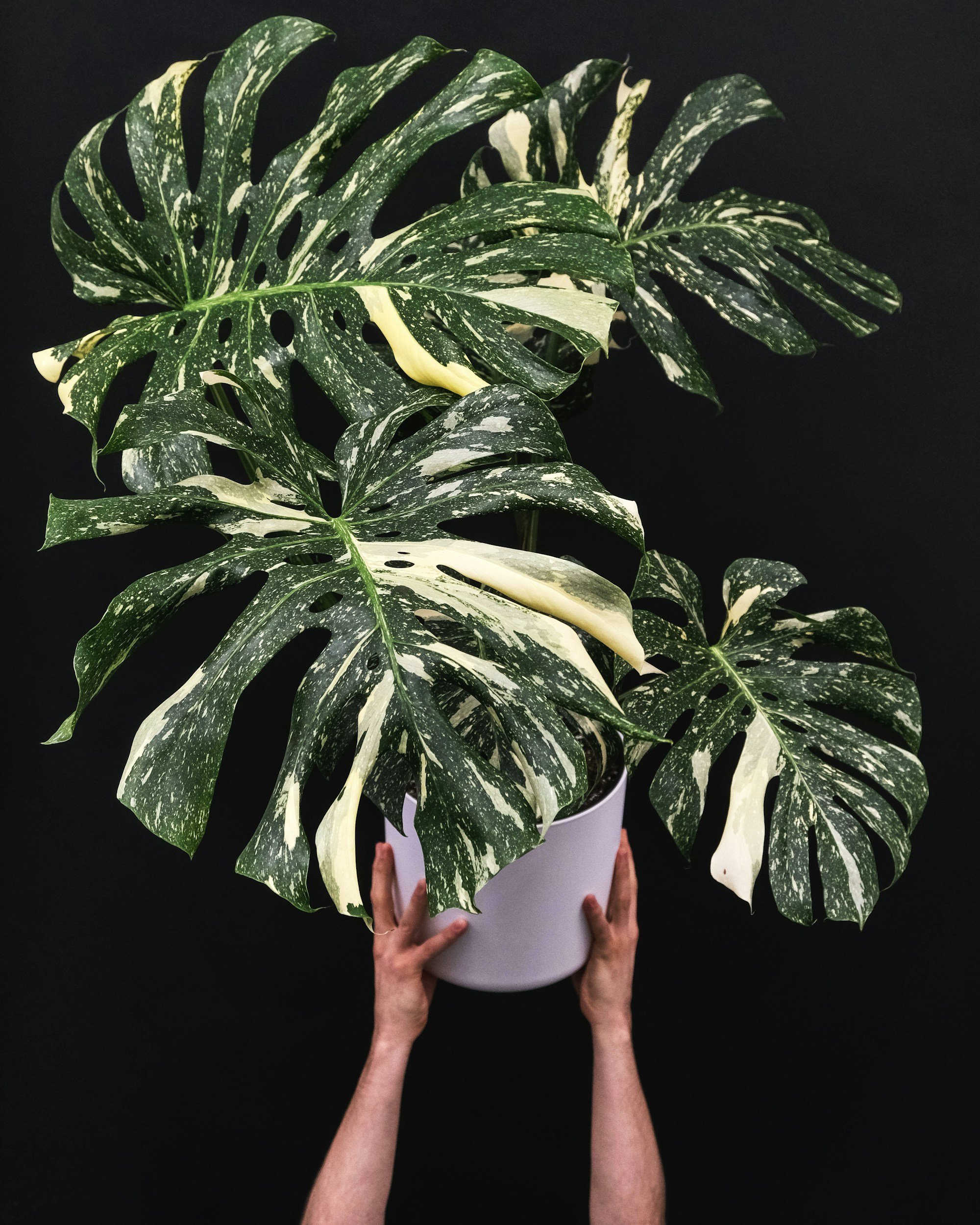
Monsteras are iconic tropical plants prized for their dramatic, fenestrated leaves and striking presence. From the classic Monstera deliciosa to rare variegated collectors’ types, these plants can climb, trail, or fill a room with bold foliage. With the right light, water, and support, Monsteras thrive indoors and reward growers with fast, impressive growth.
Care At a Glance
Care Code: 2–3 / 2–3 / M–H
(Light / Water / Humidity)
Light
Monsteras do best in bright, indirect light, but many varieties tolerate medium light.
2 (Medium Light): Acceptable for slower growth, smaller leaves
3 (Bright Indirect): Optimal for large leaves and robust growth
Tips:
Avoid prolonged direct sunlight—especially on variegated or delicate leaves—to prevent scorching.
Rotate plants to ensure even leaf development.
Rare or variegated Monsteras thrive in slightly brighter light to maintain their unique patterns.
Water
Monsteras prefer consistent moisture while avoiding soggy roots.
2–3 (Moderate): Allow the top 1–2 inches of soil to dry before watering
Ensure pots have proper drainage
Watch for:
Overwatering → yellowing leaves, root rot
Underwatering → droopy, crispy leaves
Pro tip: Monsteras in larger pots retain moisture longer; check soil more deeply, not just the surface.
Humidity
Monsteras enjoy moderate to high humidity, but many adapt to standard indoor conditions.
M (Moderate): 40–60% is sufficient for most varieties
H (High): 60%+ encourages larger leaves and healthier growth
Tips:
Velvety or delicate varieties (like Thai Constellation or Albo) perform best in higher humidity.
Use a humidity tray, group plants, or a small humidifier for drier rooms.
Avoid over-misting; wet leaves for extended periods can encourage fungus.
Growth Habits
Most Monsteras are climbers, producing larger, fenestrated leaves with support. Trailing Monsteras (like Monstera adansonii) benefit from hanging baskets or trellises.
Support tips:
Moss poles, bamboo stakes, or wall-mounted trellises encourage bigger, mature leaves.
Tie stems loosely with soft plant ties as they climb.
Regular pruning of lower leaves promotes airflow and directs energy to new growth.
Soil & Potting
Use a well-draining, airy mix:
Potting soil or coco coir
Bark for aeration
Perlite or pumice for drainage
Potting tips:
Repot when roots are circling or growth slows
Choose a pot 1–2 inches larger than current
Avoid fertilizing for 2–4 weeks after repotting
Chunky soil mixes support healthy aerial root development
Fertilizing
Monsteras respond well to regular feeding during active growth:
Spring & Summer: Every 2–4 weeks with a balanced fertilizer
Fall & Winter: Reduce or pause feeding unless under grow lights
Organic options: worm castings, fish emulsion, seaweed
Signs of hunger: slower growth, smaller or pale leaves, or thin stems
⚠️ Common Mistakes (From Experience)
Overwatering in large pots: Larger Monsteras retain moisture longer; always check below the surface.
Ignoring support needs: Without moss poles or trellises, climbers produce smaller, less dramatic leaves.
Treating all varieties the same: Variegated types need brighter light; delicate cultivars need higher humidity.
Expecting rapid winter growth: Monsteras naturally slow down; over-fertilizing can stress them.
Not monitoring aerial roots: Healthy aerial roots signal climbing potential; trimming or neglecting them can slow growth.
Dusty or neglected leaves: Fenestrated leaves trap dust, reducing photosynthesis. Wipe regularly.
Oversized pots: Too much soil leads to soggy roots and slow growth.
Pro Tips
Larger leaves = better support + brighter, indirect light
Variegated Monsteras need stable lighting to prevent fading or loss of variegation
Rotate and prune strategically to keep shape and airflow optimal
Train climbers early to prevent leggy growth
🌿 Explore Monstera Varieties
Click a variety for detailed care instructions:
Monstera deliciosa
Monstera adansonii
Monstera borsigiana
Monstera Thai Constellation
Monstera Albo / Variegata
💚 Final Note
Monsteras are fast-growing, dramatic, and rewarding plants. With the right light, water, and humidity, these tropical beauties thrive indoors, producing impressive foliage and bringing a touch of the jungle to your home.